



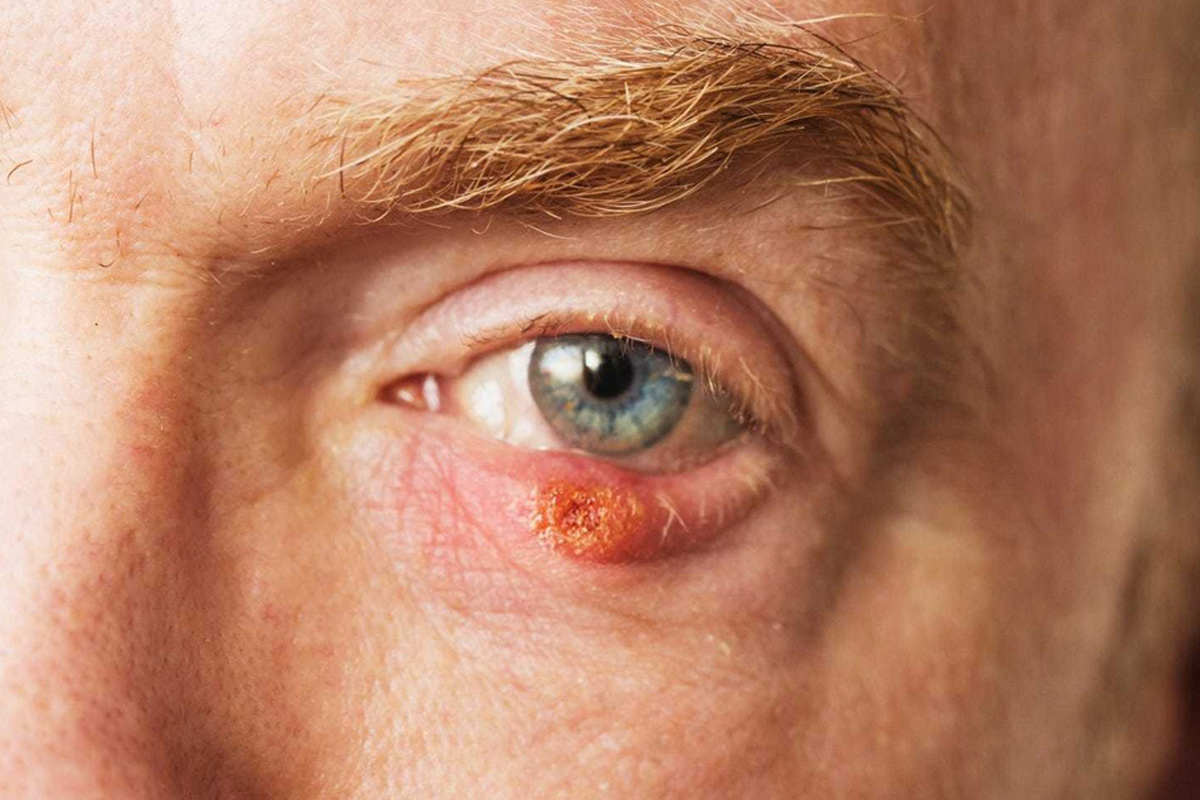
Eyelid cancer is uncommon, but early warning signs should not be avoided. In fact, individuals who notice discomfort around the eye or skin growths on the eyelid should see an eye doctor right away. Those with eyelid cancer will need to see a team of specialists to determine the cause of the growth and examine it more carefully.
Eyelid cancer can occur in people of all ages. Thankfully, there is surgical treatment for eyelid cancer. Patients diagnosed with eyelid cancer have several treatment options to consider. Working in tandem with doctors helps patients better understand their condition and receive the care they need.
Types of Eyelid Cancer
Some types of cancer that present with eyelid growths include basal cell carcinoma, the most common eyelid cancer affecting the lower eyelid. Although less common, another type of eyelid cancer includes squamous cell carcinoma. Despite being uncommon, this skin growth grows fast.
Sebaceous gland carcinoma is a cancer of the eyelid’s oil glands. This type of cancer is rare, but it can cause serious complications and should be treated immediately. Other skin growths can occur on the eyelid, including papillomas, benign wart-like growths. Papilloma is non-cancerous, unlike the previously mentioned eyelid growths.
Early Signs of Eyelid Cancer
Risk factors for eyelid cancer include fair skin and exposure to ultraviolet light, radiation, or the human papillomavirus (HPV). Additionally, eyelid cancers can arise from any tissue.
Some of the early signs of eyelid cancer consist of:
- New growth or mass
- Bleeding
- Pigmentation
- Eyelid swelling
- Eyelash loss
- Resistant blepharitis or conjunctivitis
- Eyelid discomfort
- Scarring
- Warts
- Violaceous nodules
- Tarsal plate thickening
- Skin ulcers
- Nonhealing stye
The above are some of the primary early signs of eyelid cancer. Because these features are common, they can be easily confused with other conditions. However, with a biopsy, doctors can examine the spot on the eyelid to determine whether it has changed in size, the source of irritation, and how quickly or slowly it grows.
Treatment Options for Eyelid Cancer
If a person develops a growth on the eyelid, there are numerous treatment options to consider. Doctors will first determine if the growth is benign or cancerous. Treatments range in severity depending on the type of growth and whether it is cancerous.
Some of the treatment options for removing cancerous eyelid growths include the following:
- Freezing the tissue and removing the excess skin
- Surgery in the form of tumor resection
- Radiotherapy for patients for whom surgery is deemed unsafe
- Adjuvant radiotherapy for patients with positive sentinel node biopsies
- Imiquimod for patients with actinic keratosis
- Cryotherapy with liquid nitrogen
- Photodynamic therapy that uses photosensitizers to target cell death
Sentinel node biopsies may be performed if there is a risk of lymph node metastasis, such as melanoma. Those with Bowen’s disease, an intraepidermal lesion, may require cryotherapy, local chemotherapy, or photodynamic therapy.
While surgery is the standard treatment for locally advanced cases, those who recognize early warning signs may consider alternative treatments. Individuals who see an eye doctor for yearly exams may be informed of any growths or unusual activity surrounding the eyes.
Find Eye Treatment
If a growth has appeared on your eyelid that does not go away within a few days, consider reaching out to an eye doctor to determine the cause. For instance, at Kwitko, our professionals have the tools and know-how to examine eyelid growth. By examining the eye more closely, our experts can help identify the cause.
Schedule an appointment to see an eyelid surgeon today. Contact us to learn more about your treatment options and how we can help. Our patients receive the utmost care. Call us today to begin your road to recovery.



