



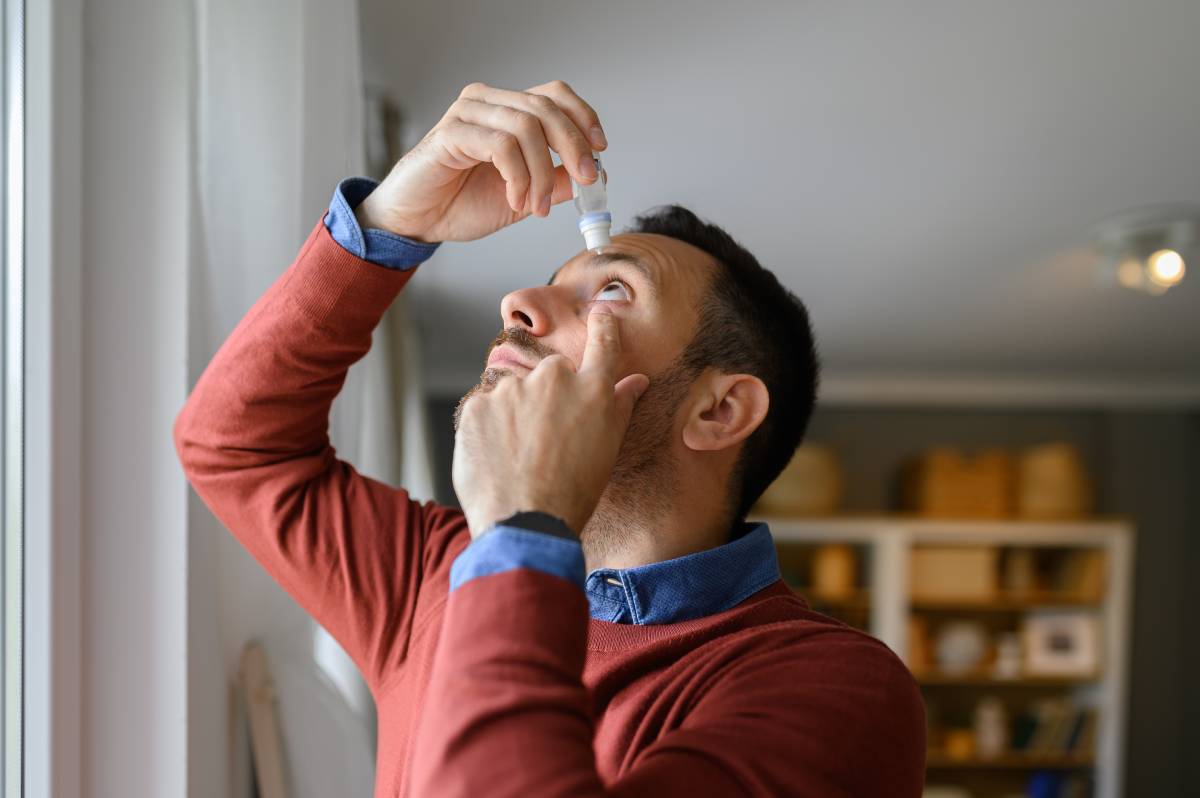
Dry eyes are caused when the eyes do not produce enough tears, or the tears you have are of poor quality. Tears lubricate and nourish the eyes, providing individuals with comfort and clear vision. When vision is disturbed, and symptoms such as eye itchiness or redness occur, eye drops may be needed.
While you can select from over-the-counter options, there are also prescription eye drops to consider as a form of dry eyes treatment. However, prescription eye drops and over-the-counter options are not safe for long-term use.
How Prescription Eye Drops Work
Prescription eye drops are for those with conditions requiring artificial tears for lubrication. Some eye drops need to be patient-specific and prepared individually. Prescription eye drops may be needed for those with eye trauma, infections, or chronic dry eye.
Although dry eye can be a chronic condition, constantly using eye drops, whether over-the-counter or prescription, may lead to serious health problems. Side effects of dry eyes can be worsened if eye drops are overused. This can lead to more inflammation, irritation, and redness.
How Prescription Eye Drops Are Created
Eye drops are prepared by dissolving the active pharmaceutical ingredient in sterile water. Another way eye drops are prepared is by diluting a concentrated solution of the active pharmaceutical ingredient using sterile water.
Prescription eye drops must be sterilized and free of any microbial contamination. Pharmaceutical products are sterilized by autoclaving. Autoclaving sterilizes solutions at a high temperature. Once in the final packaging, final sterilization and preparation take place.
Symptoms of Long-Term Use of Prescription Eye Drops
According to the National Library of Medicine, eye drops intended for long-term use due to chronic conditions should ideally be preservative-free. Additionally, eye drops should be sterilized and safe for patient use.
Those who participate in long-term use of prescription eye drops can experience the following:
- Constriction of blood vessels
- Worsening of eye redness and irritation
- Evaporating tears create dry eye
- Difficulty discovering signs of infection
- Irreparable damage to the eyes
In addition, common symptoms of dry eye can worsen, leading to vision loss.
Symptoms of Dry Eye
Prescription eye drops may be necessary for some, as the symptoms of dry eye range in severity. While some may experience mild symptoms, others suffer from more serious concerns related to diseases or side effects from medications.
Some of the most common symptoms of dry eye include:
- Light sensitivity
- Itching
- Excessive tearing
- Redness
- Burning
- Blurred vision
- Feelings of a foreign body in the eye
- Gritty or sandy sensations
- Stinging
- Inflammation
Although the symptoms above may be common, they can still present as severe in some cases. When left untreated, dry eyes can result in:
- Worsening of common symptoms
- Irreversible inflammatory conditions
- Corneal scarring or thinning
- Vision loss
- Abnormal growth of new blood vessels
To avoid these severe symptoms associated with dry eye, any symptoms you experience should be addressed with a medical professional.
Causes of Dry Eye
The National Library of Medicine also states that various issues cause dry eyes. Some of these include the following:
- Dry air
- Hormonal changes
- Aging
- Diseases impairing the eyes
- Side effects from certain medications
- An imbalance between tear production and evaporation
- Drug use
- Vitamin A deficiency
- Metabolic syndrome
Since the causes of dry eye vary, speak openly with your doctor about medications you take or other health diagnoses you have received.
When Eye Drops Are Not Enough
Teardrops alone do not always solve the problem. For instance, if eyelid malposition or decreased and inadequate tear production occur, eye drops may not be the only remedy.
Structural problems with the eyelids can occur. These consist of:
- Eyelids not closing properly
- Drooping lower lids
- Drooping upper lids
- Scared eyelids
- In-turned eyelids
- Shortened eyelids
If there are structural issues with eyelids, eye surgeons can not only diagnose dry eyes, but also perform eyelid surgery.
Find Eye Treatment Today
If you or a loved one suffers from persistent dry eye, consider seeing a cosmetic and reconstructive eyelid specialist, such as Dr. Geoffrey Kwitko, an expert oculoplastic surgeon with years of experience treating eye-related health issues. Contact us today to speak with one of our team members and learn more about your treatment options and how to prevent dry eye.



